
Can you adjust the extraction pressure for different coffee blends and profiles?
When it comes to brewing coffee, the extraction pressure plays a crucial role in determining the flavors and aromas that you will experience. Different coffee blends and profiles require different extraction pressures to achieve the desired results. In this article, we will explore the importance of adjusting extraction pressure for different coffee blends and profiles to help you elevate your home brewing game.
Understanding Extraction Pressure
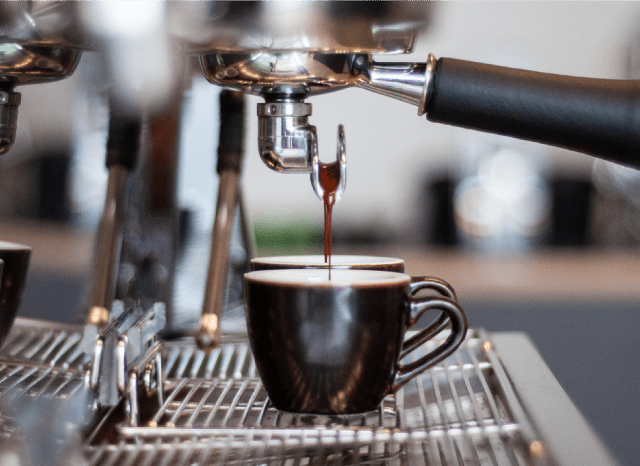
Let’s start by understanding what extraction pressure is and how it impacts the coffee brewing process. Extraction pressure refers to the force that is applied to the coffee grounds during the brewing process. This pressure is responsible for extracting the flavors, oils, and aromas from the coffee grounds and transferring them into the final cup of coffee.
Importance of Extraction Pressure
The extraction pressure plays a crucial role in determining the quality and taste of the coffee. When the pressure is too low, the coffee might taste weak and under-extracted. On the other hand, when the pressure is too high, the coffee might taste bitter and over-extracted. By adjusting the extraction pressure, you can tailor the brewing process to bring out the best flavors in each coffee blend and profile.
Adjusting Extraction Pressure for Different Coffee Blends
Now that you understand the importance of extraction pressure, let’s delve into how you can adjust it for different coffee blends and profiles.
Light Roast Coffee Blends
Light roast coffee blends are known for their bright and acidic flavors. To bring out the best in a light roast coffee blend, you should aim for a lower extraction pressure. A pressure ranging from 6 to 8 bars is recommended to highlight the delicate flavors and aromas of light roast coffee blends. Make sure to adjust the grind size accordingly to ensure an even extraction.
Medium Roast Coffee Blends
Medium roast coffee blends are the most versatile and widely enjoyed coffee blends. They offer a balanced flavor profile with moderate acidity and body. When brewing a medium roast coffee blend, a slightly higher extraction pressure of 8 to 10 bars is recommended. This pressure range helps to extract the flavors evenly and enhance the body of the coffee without overpowering the subtle notes.
Dark Roast Coffee Blends
Dark roast coffee blends are characterized by their bold and intense flavors. To complement the rich and smoky notes of a dark roast coffee blend, a higher extraction pressure of 9 to 12 bars is recommended. This higher pressure helps to extract the oils and flavors from the dark roasted beans, resulting in a full-bodied and robust cup of coffee. Keep in mind that a coarser grind size may be needed to prevent over-extraction.
Factors Affecting Extraction Pressure
Several factors can affect the extraction pressure during the brewing process. It is essential to consider these factors to achieve optimal results with different coffee blends and profiles.
Coffee Bean Origin
The origin of the coffee beans plays a significant role in determining the ideal extraction pressure. Different coffee-growing regions produce beans with unique characteristics that require specific brewing parameters. Experiment with extraction pressures to find the perfect balance that brings out the best in each coffee bean origin.
Roast Level
The roast level of the coffee beans also influences the extraction pressure required for brewing. Light roast coffee beans are less dense and porous, making them easier to extract, while dark roast coffee beans are more compact and require higher pressure to extract the flavors. Adjust the extraction pressure according to the roast level to achieve optimal results.
Grind Size
The grind size of the coffee beans has a direct impact on the extraction pressure. Finer grinds require lower extraction pressures to prevent over-extraction, while coarser grinds need higher pressures to ensure proper extraction. Experiment with different grind sizes and extraction pressures to find the right combination for each coffee blend and profile.
Brewing Method
Different brewing methods require different extraction pressures to achieve the desired results. Espresso machines typically operate at higher pressures ranging from 9 to 12 bars, while pour-over methods like Chemex or V60 work best with lower pressures ranging from 6 to 8 bars. Adjust the extraction pressure according to the brewing method to optimize the flavor extraction.
Tips for Adjusting Extraction Pressure
Adjusting extraction pressure for different coffee blends and profiles may seem intimidating at first, but with practice and experimentation, you can hone your brewing skills and create a perfect cup of coffee every time. Here are some tips to keep in mind:
- Start with the recommended extraction pressure range for each coffee blend and profile.
- Experiment with small adjustments in the extraction pressure to fine-tune the flavor extraction.
- Keep track of your brewing parameters and results to learn from each brewing session.
- Pay attention to the taste, aroma, and body of the coffee to assess the impact of extraction pressure.
- Don’t be afraid to try new extraction pressure settings and brewing techniques to discover unique flavor profiles.
By adjusting the extraction pressure for different coffee blends and profiles, you can unlock a world of flavors and aromas in every cup of coffee. Take the time to experiment, learn from your brewing experiences, and enjoy the journey of discovering the perfect brew for your taste preferences.
In conclusion, adjusting extraction pressure is a crucial step in brewing different coffee blends and profiles. By understanding the impact of extraction pressure, experimenting with different pressure ranges, and paying attention to the brewing parameters, you can elevate your coffee brewing skills and create the perfect cup of coffee every time. Remember, practice makes perfect, so don’t be afraid to explore new extraction pressure settings and techniques to discover your favorite coffee flavors. Cheers to brewing the perfect cup of coffee!